Sinhala-Buddhist temple to replace Kaa’li temple in Trincomalee
[TamilNet, Wednesday, 24 April 2013, 13:51 GMT]
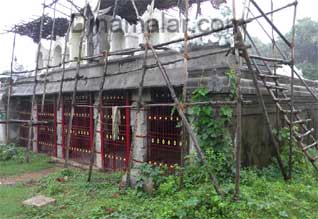
A massive Sinhala-Buddhist complex is planned by the occupying
Sinhala military at the site of an ancient Kaa’li temple of Eezham
Tamils at Verukal in the Eechchilam-pattai division of Trincomalee
district. A five-feet tall Buddha statue has already been installed at
the site where the Kaa’li temple, called Malai-neeli-amman, is located.
Huge stone slabs have now been brought and stored at a two-acre land of
the Saiva temple for the construction of a Buddhist temple. About 10
acres of land will be eventually appropriated for the Sinhala-Buddhist
complex, news sources in Trincomalee said. Seeing precedents in the
other parts of the occupied country of Eezham Tamils, the local Tamils
of the ancient village that has public buildings, schools etc., are now
afraid that they would be chased out and would lose their village
permanently.
When the LTTE was controlling the territory, it had built a communication tower at the top of the hillock there for its broadcasting services that were covering parts of Batticaloa and Trincomalee districts.
When the Sinhala military captured it in 2007, it destroyed all the facilities and installed a Buddha statue there.
Huge stone blocks are now brought from other areas to the site, in order to claim Buddhist antiquity for the site and to build the Sinhala-Buddhist complex, news sources in Trincomalee that are familiar with the Sinhala State’s modus operandi said.
The hill has an ancient temple with a statue of the Mother Godess Kaa’li that is called Neeli-Amman, and also called Malai-Neeli-Amman, as it is in the hill.
Worshipping Mother Goddess in the name of Neeli Amman is a cult of much antiquity among Tamils and it is found throughout the country of Eezham Tamils. The worship is popular among the Malayalis of Kerala too.
In fact, a form of the deity, Pazhaiyanoor Neeli of Tamil literary fame, is the royal deity of the rulers of Kochchi, in Kerala, as could be seen in their palace at Mattancheri in Cochin, now protected by the Archaeological Survey of India.
Ironically, the brand of genocidal Sinhala-Buddhism that operates with mania in erasing the religious, linguistic and cultural traces of Tamils in the island, and the Sri Lanka government that directs the entire operation, receive recognition and patronage not only from the Congress government in New Delhi but also from the BJP and its Chief Ministers, Tamil civil society sources in Trincomalee said.
Chronology:
When the LTTE was controlling the territory, it had built a communication tower at the top of the hillock there for its broadcasting services that were covering parts of Batticaloa and Trincomalee districts.
When the Sinhala military captured it in 2007, it destroyed all the facilities and installed a Buddha statue there.
Huge stone blocks are now brought from other areas to the site, in order to claim Buddhist antiquity for the site and to build the Sinhala-Buddhist complex, news sources in Trincomalee that are familiar with the Sinhala State’s modus operandi said.
The hill has an ancient temple with a statue of the Mother Godess Kaa’li that is called Neeli-Amman, and also called Malai-Neeli-Amman, as it is in the hill.
Worshipping Mother Goddess in the name of Neeli Amman is a cult of much antiquity among Tamils and it is found throughout the country of Eezham Tamils. The worship is popular among the Malayalis of Kerala too.
In fact, a form of the deity, Pazhaiyanoor Neeli of Tamil literary fame, is the royal deity of the rulers of Kochchi, in Kerala, as could be seen in their palace at Mattancheri in Cochin, now protected by the Archaeological Survey of India.
Ironically, the brand of genocidal Sinhala-Buddhism that operates with mania in erasing the religious, linguistic and cultural traces of Tamils in the island, and the Sri Lanka government that directs the entire operation, receive recognition and patronage not only from the Congress government in New Delhi but also from the BJP and its Chief Ministers, Tamil civil society sources in Trincomalee said.
Chronology:


 மா தவம் ( பெருந்தவம்) செய்தவன் மாதவன்; சங்கு அறுக்கும் தொழில் புரிபவன் சங்கரன். எனவே, இவை நல்ல தமிழ்ச் சொற்களே. தேவர் என்பதும் நல்ல தமிழ்ச் சொல். தேவர் அனையர் கயவர் என்கிறார் தெய்வப்புலவர் திருவள்ளுவரும். தேவர்கள் ஆட்சிப் பொறுப்பில் இருந்தனர். எனவே, சமயத் தலைமைப் பொறுப்பில் தேவர்கள் இருந்ததில் வியப்பில்லை. இந்தியா என்பது ஆங்கிலேயர் வந்த பின் அமைந்த அரசியலமைப்பு. நாம் மொழியாலும் இனத்தாலும் நாட்டாலும் தமிழர்களே. ஆனால், அரசமைப்பால் இந்தியர்கள். இன்றைய சூழலில் இந்த அரசமைப்பு சிதைவு படக் கூடாது என்பது உண்மைதான். அதே நேரம் நாம் தமிழர்கள் என்பதும் வரலாறு சொல்லும் உண்மை.எனவே, நண்பரே உண்மையைப் புரிந்து கொள்க. அன்புடன் இலக்குவனார் திருவள்ளுவன்

இறைநெறிமன்றம் சார்பில்
இலக்குவனார் திருவள்ளுவன்
8/7/2010 4:38:00 AM