malaysia லேபிளுடன் இடுகைகளைக் காண்பிக்கிறது. அனைத்து இடுகைகளையும் காண்பி

வியாழன், 14 செப்டம்பர், 2017

இளைஞர் கைகளில் இணையத்தமிழ் – இலக்குவனார் திருவள்ளுவன்; tamizhnet in youth hands

இளைஞர் கைகளில் இணையத்தமிழ்

 தமிழ்நாட்டில் எந்த ஒரு நிகழ்ச்சிக்குச் சென்றாலும் அனைவரும் எதிரொலிக்கும் கவலை முதியோர் அவையாக இருக்கிறதே என்பதுதான். எந்தத் தமிழ்க்கூட்டம் என்றாலும், இளைஞர்களைக் காண முடிவதில்லை. ஒருவேளை உரையாளர்களின் குடும்பத்தினர் யாரும் வந்திருந்தாலும் அவர்கள் ஒருவர் அல்லது இருவராகத்தான் இருப்பர். கூட்டம் இறுதிவரை இருப்பார்கள் என்பதும் ஐயமே. இதற்காகவே நான் கல்லூரிகளில் நிகழ்ச்சிகள் நடத்தினேன். அங்கும் தமிழ் பயிலும் ஏதோ ஓர் ஆண்டின் மாணாக்கர்கள் மட்டும் அமர்ந்திருப்பார்கள். வருபவர்கள் ஆர்வமாகத்தான் இருப்பர். ஆனால், கல்லூரியில் இந்த நிகழ்ச்சிக்கு இத்தனாம் ஆண்டு மாணவர்கள் சென்றால் போதும் என வடிகட்டி விடுவார்கள். இப்படியே போனால்  வரும் தலைமுறையில் தமிழ் நிகழ்ச்சிகள் இருக்காதோ என்ற ஐயம்தான் இருக்கின்றது. மூத்த தமிழறிஞர்களக்கு இது பெரும் கவலையாகவே உள்ளது.
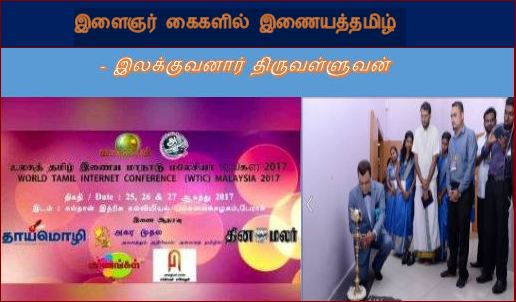
 இக்கவலையைப் போக்கினர் மலேசிய இளம்தமிழர்கள். ஆம்,   அவர்கள் ஒன்றிணைந்து ஆவணி 09-11, 2048 / ஆகத்து 25-27, 2017 ஆகிய மூன்றுநாள்  மலேசியாவின் இரண்டாம் பெரிய நகரமான பேராக்கில் உள்ள சுல்தான் இதிரிசு கல்வியியல் பல்கலைக்கழகத்தில்  ‘தமிழ் இணைய மாநாடு 2017’ என உலகத்தமிழ் மாநாட்டினை நடத்தினர். அதுவும் 45 நாள்களுக்குள் ஏற்பாடு செய்து வெற்றிகரமாக மாநாட்டை  நடத்தி முடித்தனர்.
 ‘உலகத்தமிழ் காப்பிய ஆராய்ச்சி நிறுவனம்’ என்னும் அமைப்பின் தகவல் தொழில்நுட்பப்பிரிவுதான் இம்மாநாட்டை நடத்தியது.
  தலைவர் இளைஞர் தனேசு பாலகிருட்டிணன், செயல் இயக்குநர் இளைஞர் சனார்த்தனன் வேலாயுதம், இணைத்தலைவர் இளைஞர் செயமோகன் பாலச்சந்திரன் ஆகியோரும் பிற பொறுப்பாளர்களும் உறுப்பினர்களும் இளைஞர்களே! தங்களுக்குள் ஒரு குழுவாக ஒன்றிணைந்து மாநாட்டைச் சிறப்பாக நடத்தியுள்ளனர். இம்மாநாட்டில் தமிழ்நாடு, சிங்கப்பூர், அமெரிக்கா, இலங்கை, கனடா, மொரிசியசு முதலான நாடுகளிலிருந்து பேராளர்களும் கட்டுரையாளர்களும் கலந்து கொண்டனர்.
 கேவியெசு/கேவியசு (Kayveas) எனப் பெயரை முதல் எழுத்துகளால் குறிக்கப்பெறுபவர் கேவிசுப்பிரமணியன். மலேசியாவின் உயர்விருதுகள் பெற்றவர். மலேசியாவின் முதன்மைக்கட்சிகளுள் ஒன்றான  மக்கள் முற்போக்குக்கட்சியின்(People’s Progressive Party) தலைவர்.. மலேசியப் போக்குவரத்துத் துறை சிறப்பு  அறிவுரைஞராகத் திகழ்கிறார். இவர் பின்லாந்து  குடியரசின்  மலேசியத் தூதராகவும் உள்ளார்.
 இவர் தோற்றுவித்த நாளிதழ் ‘தாய்மொழி’. தமிழ்த்தொண்டில் ஈடுபட்டு வரும் இவ்விதழ் மாநாட்டு ஆதரவாளராக இருந்து ஒவ்வொரு நாளும்  இணையமாநாடு பற்றிய செய்திகளை வெளியிட்டு வந்தது.
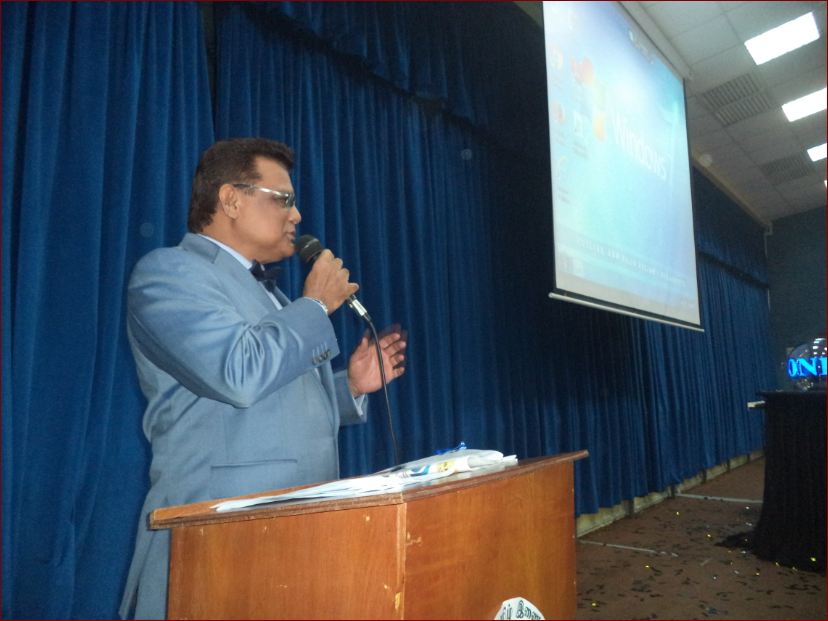
  மதிப்புமிகு கேவியசு மாநாட்டு முகப்பறையில் குத்துவிளக்கேற்றி விட்டுத்தான் விழா மேடைக்கு வந்திருந்தார்.; உலகத்தமிழ் காப்பிய ஆராய்ச்சி நிறுவனம் நடத்திய உலகத்தமிழ் இணைய மாநாட்டைத் தொடக்கிவைத்துச் சிறப்புரை  ஆற்றினார்.
  தன் உரையில் அவர், “இம்மாநாடு இணையத்தையும் தமிழையும் கற்றல் கற்பித்தலில் இணைக்கும் முயற்சி ஆகும். இது தமிழ்த்திருவிழா.  இம்மாநாட்டின் மூலம் தமிழ் இணையத்தில் புரட்சியை ஏற்படுத்த முடியும். தமிழர்களின் ஏற்பிற்கு –  அங்கீகாரத்திற்கு –  மேலும் பெருமை சேர்க்கும். உலகத்தமிழர்கள் இடையே அன்பும், நட்பும் மேலும் வலுவடையும். தமிழ் மொழியின் தட்டச்சு, மெய்நிகர் கல்வி, தொழில்நுட்பம் மேலும் வளரும். கற்றல் கற்பித்தலில் மாற்றத்தை ஏற்படுத்த முடியும். மாநாடு மூலம் தமிழ் இணையத்தில் புரட்சியை ஏற்படுத்த முடியும்”  என்றார்.
  மேலும் அவர் பேசுகையில் மலேசியாவில் 527 தமிழ் வழிப் பள்ளிகள் இயங்குவதாகவும்  மேலும் புதிதாக 7 பள்ளிகள் அமைக்கப்பட்டுள்ளதாகவும்  அனைத்துத் தமிழ்ப் பள்ளிகளுக்கும் இந்த மாநாட்டின் ஆய்வுக்கட்டுரை புத்தகம் அன்பளிப்பாக வழங்கப்படும் என்றும் குறிப்பிட்டுப் பாராட்டு பெற்றார்.
   அடுத்து மற்றொரு நெறியாளரான திருவாட்டி குருவாயூர் உசா துரை வாழ்த்திப் பேசினார். மாநாட்டின் முதன்மை ஆதரவாளராக  விளங்கிய தினமலர் சார்பில் இவ்விதழ் தொடங்கிய பொழுதிலிருந்து மாறாமல் பணியாற்றும் மூத்த இதழாளர், தினமலர்  இணையத்தள நெறியாளர் இளங்கோவன் தலைமையில் ஒரு குழுவினர் மாநாட்டில் பங்கேற்றிருந்தனர். இளங்கோவன் தினமலரின் இணையத்தளத் தொழில்நுட்ப இயக்குநர் ஆதிமூலம் அனுப்பிய வாழ்த்து செய்தியை வாசித்துக்காட்டி வாழ்த்தினார்.
  மாநாட்டின் மற்றொரு ஆதரவாளராக விளங்கியது ‘அகரமுதல’ பன்னாட்டு மின்னிதழ். இதன் ஆசிரியரும் மாநாட்டின் நெறியாளர்களுள் ஒருவருமான நான்(இலக்குவனார் திருவள்ளுவன்) அடுத்து வாழ்த்திப் பேசினேன். அப்பொழுது “இணையத்தமிழ், இளைஞர்கள் கைகளுக்குச் சென்றுவிட்டது. இனித் தமிழின் எதிர்காலம் குறித்துக் கவலையில்லை” என்று நான் பேச்சில் குறிப்பிட்டேன்.
  தொடக்கத்தில்  தமிழ்த்தாய் வாழ்த்தைத் தொடர்ந்து, குருவாயூர் உசாதுரை மாணாக்கர்களின் திருக்குறள் பரதம் நடைபெற்றது.
 மாநாட்டிற்காகக் குறள் வெண்பா  ஒன்றை முழக்கமாக எழுதிய  சமுனா வேலாயுதம்,
தமிழ்மொழியே எங்கள் தாய்மொழியே
உன்வழியே எங்கள் வாய்மொழியே..!
எனத் தொடங்கும் மாநாட்டுப் பண்ணையும் எழுதியிருந்தார். இப்பாடலும் ஒளிபரப்பப்பட்டது.
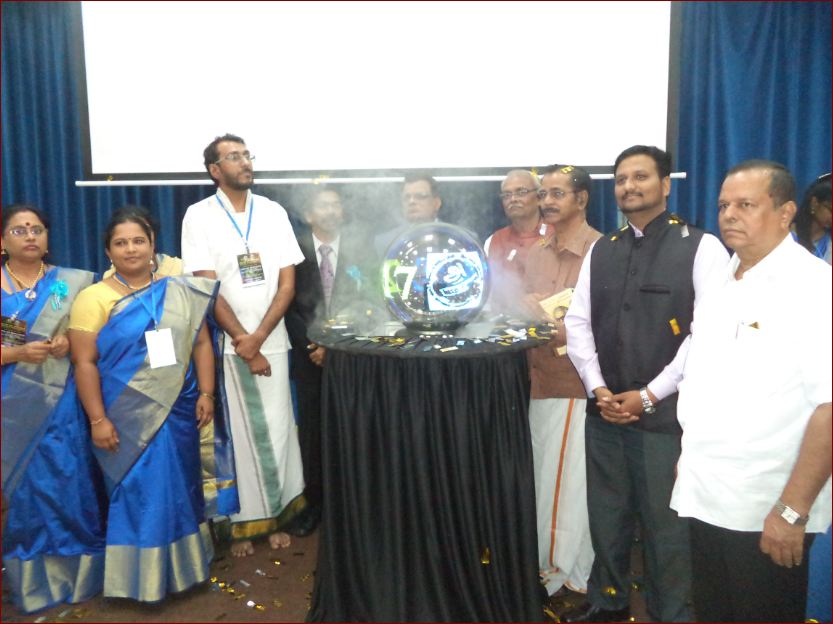
  இனிமேல் இணையத் தமிழ்  மாநாட்டை நடத்த  ‘உலக இணையத் தமிழ்ப்பேரவைதொடங்கப்பெற்றது குறிப்பிடத்தக்கது. இதன் அடையாளமாக, மதிப்புமிகு கேவியசுடன் இணைந்து மேடையில் இருந்த ஆன்றோர்கள், பேழையிலிருந்து வெளிவந்த  உலக உருண்டை போன்ற கண்ணாடி உருண்டை ஒன்றினைத் தொட்டு மகிழ்ந்தனர். மாநாட்டுப் பொறுப்பாளர்களுள் ஒருவரான வரதராசன் இதனைச் சிறப்பாக வடிவமைத்திருந்தார்.
  முனைவர் கா.உமாராசு எழுதிய செம்மொழித் தமிழ் – கலைச்சொல் அகராதி, முனைவர் சுகந்தி  எழுதிய  சிந்திக்க வைக்கும் சிறுகதைகள், திருவாட்டி கனகலட்சுமியின் கற்பித்தல் நூல்  ஆகியவற்றை மதிப்புமிகு முனைவர் கேவியசு வெளியிடப், பெற்றுக்கொள்ளும் வாய்ப்பு எனக்குக் கிட்டியது.
  மாநாட்டில்  மதிப்புமிகு கேவியசு,  உலகத் தமிழ்க் காப்பிய ஆராய்ச்சி நிறுவனம்  சார்பில்,  செயல்தீரர் விருது வழங்கிச் சிறப்பிக்கப்பட்டார். மேலும் சிலருக்கும் விருதுகள் வழங்கப்பெற்றன.
 கணிணியியலில் அறிமுகம் இல்லாதவர்களும்  மாநாட்டு உரைகளைப் புரிந்து கொள்ள வேண்டும் என்பதற்காகத் தொடக்க நாள் முற்பகல் 9.00 மணி முதல் நண்பகல் 12.00 மணி வரை பயிலரங்கம்  நடைபெற்றது.  ‘21ஆம் நூற்றாண்டுத் தமிழ் வகுப்பறை: கற்பித்தலில் எண்ணிமப் பயன்பாடும் செல்நெறியும்’ (21-st Century Tamil Classroom: Teaching and Engaging Digital Trends)    என்னும் தலைப்பிலும்  ‘ஆசிரியர்களுக்கான 21ஆம் நூற்றாண்டு வாழ்நாள் கற்றல் திறன்கள்’ (21st Century Life Long Learning Skills for Teachers) என்னும் தலைப்பிலும் இப்பயிலரங்கம்  நடைபெற்றது.
  ஆசிரியர் திரு. வாசுதேவன் இலட்சுமணன் இப்பயிலரங்கத்தைச் சிறப்பாக நடத்தினார். மலேசியாவிலுள்ள தமிழாசிரியர்களில் முதல் வலைப்பூ பதிவாளர் என்ற பெருமைக்கு  உரியவர்  இவர். ஆசிரியர்களுடன் கட்டுரையாளர்களும் ஆர்வமாக இப்பயிலரங்கத்தில் பங்கேற்றனர்..
  கருத்தரங்க அமர்வுகளுக்கு இடையே சிறப்புரைகளும் நிகழ்த்தப்பெற்றன.  கணிணி ஊடகம் மூலமாகத் திருமண ஆசை காட்டி ஏமாற்றுதல், வல்லுறவு கொண்டு தீங்கிழைத்தல் போன்ற குற்றங்களைத் தடுப்பது குறித்துச்,   ‘சமூக வலைத்தளங்களும் குற்றங்களும்’ எனும் தலைப்பில் மலேசியத் தேசியப் பல்கலைக்கழகத்தின் முதுநிலை விரிவுரையாளர்  முனைவர்  இரகீம் கமாலுதீன். சிறப்புரையாற்றினார். இதுவரை 60 தமிழ்ப்பள்ளிகளில் இவர் குற்றவியல் தொடர்பான பட்டறைகளை நடத்தியுள்ளார் என்பது தமிழ்ப்பள்ளி மாணாக்கர் மீது இவர் காட்டும் ஆர்வத்தை விளக்கும்.
  மலேயா பல்கலை இந்திய ஆய்வியல் துறைப் பேராசிரியர் குமரன், ‘சமூக ஊடகத்தில் சிறுதொழில் வணிக மேம்பாடு’ குறித்தும் பேராசிரியர் காமாட்சி, ‘கணினி மொழியியல் முன்னேற்றங்கள்’ குறித்தும் சிறப்புரை ஆற்றினர்.
  சிங்கப்பூரைச் சேர்ந்த திரு. குணசேகரன், ‘மெய்நிகர் உலகில் புத்தாக்கத் தமிழ்’ என்ற தலைப்பில்  சிறப்புரை ஆற்றினார். கல்வி நிருவாகத் தலைமைத்துவ பயிற்சிக் கழகத்தின் முதுநிலை விரிவுரையாளர் குமரவேலு இராமசாமி, ’21 ஆம் நுாற்றாண்டில் கல்வியின் உருமாற்றம்’ என்ற தலைப்பில்  சிறப்புரை யாற்றினார்.
 துணைத் தலைமையாசிரியாராகப் பணிபுரியும் திரு முகிலன் நாராயணன்,  வினா-விடை(Quiziz) வழி தமிழ்ப்பள்ளிகளில் 21ஆம் நூற்றாண்டு கற்றல் கற்பித்தல்பற்றிச் சிறப்புரை யாற்றினார்.
  மருத்துவர் முனைவர் செம்மல் சையது மிராசா, இணையக் காணுரைகள்  வழியே தமிழின் சிறப்புகளைப் பரப்பிவரும் முதலாமவர் ஆவார். அவர்,  பண்டைய தமிழ் இலக்கியக் கருத்துகளையும் இப்போதைய மருத்துவக் கல்வியையும் ஒருங்கிணைத்துச் சிறப்புரை யாற்றினார்.
  நான் (இலக்குவனார் திருவள்ளுவன்), இயல்பான சொல்லாக்கம் அமையும் முறைகளுடன் ஒப்பிட்டுக் கணிமச் சொல்லாக்கங்கள் குறித்துச் சிறப்புரை யாற்றினேன். கணிணியியல் சொற்கள் குறித்துக் கட்டுரையும் அளித்துக் கருத்தரங்க அமர்விலும் உரையாற்றினேன்.
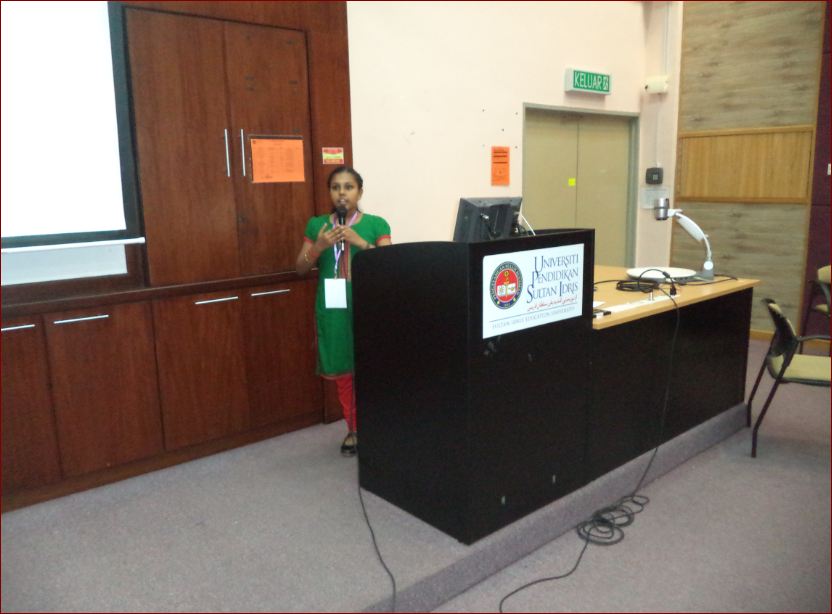
  கருத்தரங்க அமர்வுகளில் ஏறத்தாழ அறுபதின்மர் கட்டுரைகள் வாசித்தனர். கற்றலும் கற்பித்தலும், கணிணி மொழியியல், கணிணிச்சொல்லாக்கம், இலக்கியங்களுக்கான தரவுகள் உருவாக்கல், ஊடகப் பயன்பாடுகள், பிழை திருத்தி, ஒலி மின்னூல்வழி கதைத்திறனை மேம்படுத்தல், தமிழ் வலைப்பூக்கள், செம்மையான பேச்சுத்திறனை வளர்த்தல், செயலிகள் வழி கற்பிப்பு, வெள்ளிசை(karoeke) வழித் தமிழ் இலக்கணம்  கற்பித்தல், தமிழ்சார் கணிநுட்ப மேம்பாடு முதலான பல பயனுள்ள தலைப்புகளில் கட்டுரைகள் அமைந்திருந்தன. 7 கட்டுரைகள் ஆங்கிலத்தில் இருந்தாலும்  கட்டுரையாளர்கள் அனைவருமே தமிழில்தான் விளக்கினர். தமிழில் விளக்கத் தெரிந்தவர்கள் ஆங்கிலத்தில் எழுதுவதேன்? இனித் தமிழில் மட்டுமே கட்டுரை அளிப்பதையும் தேவையெனில் ஆங்கில  மொழி பெயர்ப்பை  இணைக்க வேண்டும் என்பதையும் கருத்தரங்க அமைப்பினர் அடிப்படை நோக்கமாகக் கொள்ள வேண்டும்.
  இணையத்தமிழ், இளைஞர்களிடம் மட்டுமல்ல, சிறாரிடமும் சென்றுள்ளது என்பதற்கு இம்மாநாடு தக்க சான்றாகும். ஐந்தாம் வகுப்பு படிக்கும் 11 அகவை சிறுமி பேரரசி கட்டுரை வாசித்தார். ஆசிரிய இணையர் திருவாட்டி  சரளா- திரு முத்துக்குமார் தமிழுணர்வுடனும் படைப்புத்திறனுடனும் செல்வி பேரரசியை வளர்த்து வருகின்றனர் என்பது இவர் கட்டுரையைக் கேட்கும் பொழுது  தெரிந்தது.
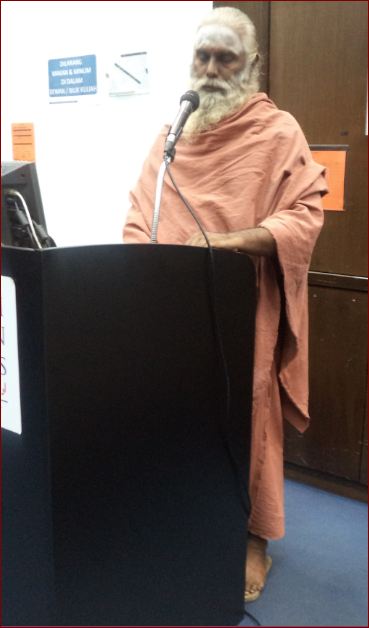
  பேரூராதினத்தின் இளைய பட்டம், பேரூர் கல்லூரி முதல்வர் முனைவர் மருதாசல அடிகள், தமிழ்க்குடமுழுக்கு, தமிழ் வழிபாடு, தமிழ்முறைத் திருமணங்கள் எனத் தமிழ்நெறியைப் பரப்பி வருபவர். அடிகள் நிறைவு விழாவில் நிறைவுரையாற்றி அனைவரையும் மகிழ்வித்தார். மேலும், அடிகள், தமிழ் கல்வெட்டு, ஓலைச்சுவடிகள் ஆகியவற்றை, இளைய தலைமுறை எளிதாகக் கற்கும் வகையில்,  செயலிகளை உருவாக்க வேண்டினார். மாநாட்டு அமைப்பினரையும் மலேசியத் தமிழன்பர்களையும் பாராட்டியதுடன் தொடர்ந்து சிறப்பாக மாநாடுகள், விழாக்கள் நடத்த வாழ்த்தினார்.
   மாநாட்டில் விற்பனைப் புத்தகக்கண்காட்சியும் நடை பெற்றது.
  கலைச்சொற்கள் உருவாக்கம், தமிழ்வழி வணிகக்கட்டமைப்பு வசதிகள், இணையப் பதிவு நூலகஙகள் பெருக்கம், இணைய வழி உலகளாவிய தமிழ்க்கல்வி தொடர்பான தீர்மானங்கள் மாநாட்டில்  நிறைவேற்றப்பட்டன.
தொடக்கவிழாவிலும் நிறைவு  விழாவிலும் இதழாளர்  தயாளன் சிறப்பான முறையில் தொகுப்புரை  ஆற்றி அனைவரையும் கவர்ந்தார்.
தலைவர் தனேசு  வரவேற்புரையும் செயல் இயக்குநர் சனார்த்தனன் நன்றியுரையும் நவின்றனர்.
  ஒவ்வொரு நாளும் காலை 7.30 மணிக்குக் காலை உணவுடன் மாநாடு  தொடங்கியதால் காலை 7.00 மணிக்கே விருந்தினர் இல்லத்திற்குப் பேருந்து வந்துவிடும். இரவு 11.00 மணிக்குத்தான் (அன்றைய மாநாட்டு நிகழ்ச்சிகள் முடிவுற்ற பின்னர்),  பேருந்து விருந்தினர் இல்லம் புறப்படும். அங்கும்  இளைஞர்களில் ஒரு சாரார்.  மரு.செம்மல், இலக்குவனார் திருவள்ளுவன் ஆகிய இருவரிடம் கலந்துரையாடி இரவு 1.00 மணிக்குத்தான் உறங்கச் செல்வர். பொதுவாக மாநாடுகளில், மாலையும் இரவும் கலைநிகழ்ச்சிகள் நடைபெறும். ஆனால், இங்கே இரவும் பட்டறை நடைபெற்றது. ஆர்வத்துடன் அனைவரும் பங்கேற்றதுதான் வியப்பிற்குரியது.
  தமிழ்ப்பள்ளி ஆசிரியர்களும் தமிழார்வமிக்க தேசியப்பள்ளி ஆசிரியர்களும்  இணைந்து இம்மாநாட்டை நடத்தியுள்ளனர். கடந்த நூற்றாண்டில் தமிழாசிரியர்களால்தான்  தமிழ்நாட்டில் தமிழ் வளர்ந்தோங்கியது. அது போல், மலேசிய இளம்ஆசிரியர்களால் இணையத்தமிழ் வீறு கொண்டு எழுந்துள்ளது.
  பருமாவில் தமிழ்ப்பேச்சே மறைந்து வரும் சூழலில்  இளம் தமிழாசிரியர்கள் தமிழார்வத்துடன் தொண்டாற்ற முன்வருவதைக் கண்டேன். நாடுதோறும் இளைஞர்கள் தமிழ்ப்பணியில் இறங்கினார்கள் என்றால் விரைவில்  தமிழ் உலகின் பயன்பாட்டுமொழியாகும் என்பதில் ஐயமில்லை.  பாரதியார் கனவை நனவாக்கும் வகையில் தேமதுரைத் தமிழோசையை உலகமெலாம் பரப்பும் இளைய தலைமுறையினருக்குப் பாராட்டுகள்!
இலக்குவனார் திருவள்ளுவன்


வியாழன், 19 செப்டம்பர், 2013

Malaysia charges HR worker for screening Channel-4 documentary

Malaysia charges HR worker for screening Channel-4 documentary

[TamilNet, Wednesday, 18 September 2013, 23:36 GMT]
Lena Hendry, Programme coordinator for Malaysia-based human rights group Pusat Komas, is expected to be charged under the Film Censorship Act 2002 Thursday at the Kuala Lumpur Magistrate's Court for organizing the screening of Channel-4 documentary "No Fire Zone," a film on the massacre of Tamils by the Sri Lanka state, Malaysian media reported. Pusat Komas director Tan Jo Hann, in a statement said, "This is the utmost form of harassment and direct violation of freedom of speech, assembly and association by the Malaysian authorities guaranteed for under Article 10 of the Malaysian Constitution," according to Malaysia's The Star.

"It is a baseless accusation and selective persecution based on pressure by a third party. Government agencies should be fair and just in carrying out their duties and not follow the hands of the political masters,” the Star quoted Hendry as saying after getting information of the impending charge.

The Malaysian Police operating under the Ministry of Home Affairs (Malay: Kementerian Dalam Negeri (KDN)) intervened on 3rd July in Kuala Lampur Kl/Selangor Chinese Assembly Hall when the “No Fire Zone” directed by Callum Macrae of Channel-4 organized by the Pusat Komas was being shown.

The KDN officers harrassed th attending journalists, but allowed the screening to continue, and later checked the identity cards of the attendees, and took three Komas officials to the local police station for questioning. The Komas event followed a parliamentary screening of the film where, according to Macrae, "MPs were visibly shocked and pledged themselves "to renew their calls for an independent international inquiry into all the crimes committed in the final months of the civil war.""

Related Articles:
07.07.13   Malaysia assisting Sri Lanka hide genocide evidence?
24.02.12   Channel-4 wins trophy for Sri Lanka's war-crimes documentary
05.10.11   "Sri Lanka's Killing Fields" to be screened at EU Parliament..
09.06.11   Channel-4: airing horrific images necessary to obtain justic..


External Links:
NFZ: No Fire Zone
PC: Malaysian Police Raid Screening of “No Fire Zone”

வெள்ளி, 12 ஜூலை, 2013

Malaysia should boycott CHOGM, IC should call for referendum: Penang Dy-CM


Malaysia should boycott CHOGM, IC should call for referendum: Penang Dy-CM

[TamilNet, Thursday, 11 July 2013, 19:31 GMT]
Malaysia should not participate in CHOGM in Colombo simply because what took place in 2009 was a genocide against Tamil people. Unless the Sri Lankan government is taken to task on the genocide against Tamils, I think the Commonwealth countries should boycott CHOGM in Colombo this year, said Malaysia’s Penang State Deputy Chief Minister, Prof Ramasamy in an exclusive interview to TamilNet this week. While the Tamil issue has been so much internationalised, countries like India try to go back to the 13th Amendment. Rather than undemocratically imposing a solution, I suggest that the International Community should call for a referendum among Tamils, whether they want a separate state or not, because it was the Tamils who were victimised. Let’s not judge from what others say, let’s ask what the Tamils want, he further said.


http://www.youtube.com/watch?feature=player_embedded&v=yNTnr-7rZ4A Prof Ramasamy came hard against the Malaysian government for its police and immigration disrupting the screening of Callum Macrae’s “No Fire Zone” in Malaysia earlier this month.

The Channel 4 video has brought out the atrocities committed during the Vanni war. A few NGOs in Malaysia have joined together and arranged the screening of the video at the Chinese Assembly Hall in Kuala Lumpur. During the screening the police interrupted and the Malaysian immigration also was there, Prof Ramasamy said.

The Penang Deputy Chief Minister alleged that the Sri Lanka’s High Commission in Kuala Lumpur prompted the Malaysian government in this regard, by saying that some foreigners have come illegally into Malaysia. But there was no such thing. It was clearly a work of the Sri Lankan government, he said.

The Sri Lankan government is a paranoid government. They want to stop the screening of such videos because they don’t want the world to know what really happened, Prof Ramasamy said.

He questioned the practice of the Malaysian government and its agencies for getting directives from the Sri Lankan High Commission in such instances.

“I hope the Malaysian government would desist from getting directives from Sri Lanka embassy from now on,” Prof Ramasamy said.

The Malaysian government claims that this is a democratic country. People are free to screen videos or movies on human rights or on genocide. Malaysia was in the forefront in supporting the struggle of the Bosnians, the plight of Muslims. Why can’t the Malaysian government allow the screening of videos such as the “No Fire Zone” also, showing the plight of innocent people, Prof Ramasamy questioned.

Related Articles:
07.07.13   Malaysia assisting Sri Lanka hide genocide evidence?
07.07.13   Sri Lanka diplomat's twitter tirade jeopardizes British PM's..

திங்கள், 8 ஜூலை, 2013

Malaysia assisting Sri Lanka hide genocide evidence?

Malaysia assisting Sri Lanka hide genocide evidence?

[TamilNet, Sunday, 07 July 2013, 16:14 GMT]
The Malaysian Police operating under the Ministry of Home Affairs (Malay: Kementerian Dalam Negeri (KDN)) intervened 3rd July in Kaula Lampur in the film screening of “No Fire Zone” directed by Callum Macrae of Channel-4 organized by the Pusat Komas, a Malaysian human rights NGO, a press released issued by the organizers said. After engaging in harassing attending journalists the KDN officials allowed the screening, and later checked the identity cards of the attendees, and took three Komas officials to the local police station for questioning. The Komas event followed a parliamentary screening of the film where, according to Macrae, "MPs were visibly shocked and pledged themselves "to renew their calls for an independent international inquiry into all the crimes committed in the final months of the civil war."


Malaysian Police harassing journalists
On the evening of the 3rd July, Wednesday, KOMAS a human rights NGO together with the KL & Selangor Chinese Assembly Hall Civil Right Committee (KLSCAH CRC) co-organized the film screening.

After the film screening, the KDN and Police team numbering about 30 officers ordered 3 KOMAS representatives, Ms Anna Har (KOMAS Board of Director), Mr Arul Prakkash (Executive Director) and Ms Lena Hendry (KOMAS Programme officer) to attend the local Police station for questioning, according Komas press release.

According to Channel-4, "during the day members of the Sri Lankan Embassy had tried to persuade both the owners of the hall and Pusat Kumas that they should cancel the screening. Komas officials refused. The Malaysian government’s Censorship Board also contacted Pusat Komas and told them to cancel the screening. Komas declined that too."

KDN said the "arrests" were based on the violation of Seksyen 6 of Film Censorship Act which says no one should screen any film or related publicity materials which is not approved by the board.

Sri Lanka Government website reported that three "tiger terrorists" were arrested in Malaysia.

Komas officials said, "As citizens of this country, we have every right to have our freedom to express and dialog on issues that is the threat to humanity. Sri Lankan war crimes was a clear threat to humanity and the number of lives that were lost deserves the voice of the world to speak that. And as a responsible government, they should allow this discussion and not clamp it down using the enforcement agencies."

External Links:
GoSL: Malaysia arrests 3 tiger terrorists
PusatKomas: KDN and Police shuts down KOMAS film screening
PC: Malaysian Police Raid Screening of “No Fire Zone”

திங்கள், 5 நவம்பர், 2012

British historian questions ‘parliamentary freedom’ in Sri Lanka, India, Malaysia

British historian questions ‘parliamentary freedom’ in Sri Lanka, India, Malaysia

[TamilNet, Sunday, 04 November 2012, 15:15 GMT]
Reputed British Marxist scholar specialised in intellectual history, Perry Anderson, interviewed by Indian magazine Outlook, opined that as regards ‘parliamentary freedom’, Jamaica and Mauritius fared better than Sri Lanka, India and Malaysia, citing respectively, disenfranchisement of Tamils, Kashmiris, and the lack of freedom during polls. He was responding to columnist Praful Bidwai who asked whether Indian democracy was a ‘unique achievement’, better than SL where “a state of war and emergency has prevailed for decades, with effective disenfranchisement of the Tamils” and Malaysia that has a “corrupt Lebanese-style ethnic power-sharing system”. Prof. Anderson’s observations were further elucidated by an Indian academic researcher writing to TamilNet that the disenfranchisement of the Eezham Tamils is a structural necessity of genocidal and unitary Sri Lanka.

Prof. Anderson, currently professor of history at the University of California, was interviewed by Mr. Bidwai for the November 12 issue of Outlook, regarding his latest book ‘The Indian Ideology’.

The British scholar’s recent book is a critique of the dominant ideology created by modern India that eulogises the Indian formulation of ‘nation-state’. The book deeply analises the negative role played by the politics of the Congress party of both the pre and post Indian independence eras.

The Outlook asked Prof. Anderson: “You bracket India with Malaysia and Sri Lanka as other countries that have held regular elections since independence. But polls in Malaysia have always been rigged within a corrupt Lebanese-style ethnic power-sharing system; there is no independent electoral commission. In Sri Lanka, a state of war and emergency has prevailed for decades, with effective disenfranchisement of the Tamils. So isn’t Indian democracy a unique achievement within the Third World after all?”

Prof Anderson responded: “It is unique, as I have written, by reason of the size and poverty of its electorate. But too often this is taken in a vainglorious, rather than comparative spirit. In most of the Union, polls are indeed freer than in Malaysia; but there is also far more torture, and the lot of the least advantaged is much worse. Tamils have indeed been long disenfranchised in Sri Lanka, but the same can be said, for similar reasons of Kashmiris; if these form a far smaller proportion of the population, it is also true that Sri Lanka has a much longer record of political alternation in government than India. Jamaica or Mauritius would score higher than any of this trio as examples of parliamentary freedom.”

* * *

Bringing out the interview to the notice of TamilNet readers, an Indian academic researcher came out with the following observations:

The acknowledgement of a protracted state of emergency and war in the island of Sri Lanka by both the interviewer and Prof. Anderson is laudable. But what is of even more interest is the recognition of “effective disenfranchisement” of the Tamils.

In a simple sense, ‘disenfranchisement’ is the denial of the right to vote to a person or to a people. In a broader sense, it also includes making a person’s or a people’s vote meaningless. It also brings into its ambit legal, quasi-legal or illegal means used to coerce a people either from voting or from exercising their votes in a manner beneficial to their interests.

After decades of persecution, systemic discrimination, colonization of Tamil tradition homelands and state sponsored pogroms which were carried out with a genocidal intent, the Eezham Tamils in the island gave popular mandate for their self-determination as a nation in the historic Vaddukkodai resolution of 1976.

Soon following this, the Sri Lankan state enacted the 6th amendment to its constitution which stated in its article 157A that “No person shall, directly or indirectly, in or outside Sri Lanka, support, espouse, promote, finance, encourage or advocate the establishment of a separate State within the territory of Sri Lanka.” The other clauses of this article made any person or organization demanding self-determination as beyond the frameworks of ‘civic rights’.

Combined with these was the draconian Prevention of Terrorism Act of 1979 that was made permanent ever since 1982, which gave arbitrary powers to the Sri Lankan forces to detain and ‘interrogate’ anyone suspected of being against the Sri Lankan state.

What these legal measures in effect did was to disenfranchise the entire Eezham Tamil nation that voted for self-determination, placed it beyond civic rights, and gave Sri Lankan forces to exercise their powers as and how they saw fit. And the Sri Lankan government was free by the constitutional mechanism of the unitary state to use the police, army and paramilitaries for genocide against the Eezham Tamil nation that was effectively disenfranchised.

The majoritarian Sinhala state’s genocidal designs were thwarted for a brief period with the de facto state of the Eezham Tamils, led by Pirapaharan’s LTTE. In the short time where they gained civil rights under that apparatus, the Eezham Tamils gave their popular support to the de facto state. The Tamil Sovereignty Cognition succinctly mentions that “People nominated by the de facto state winning the elections in 2004 show the endorsement of Eelam Tamils to the de facto state that came into being by Earned Sovereignty.”

However, this Earned Sovereignty was brutally denied by a globally abetted genocidal war as counterinsurgency which was waged on the Eezham Tamil nation by the GoSL. After this, the Eezham Tamils were again left as disenfranchised people in unitary Sri Lanka that has gagged them, constitutionally and also by means of force, both as individuals and as organizations from stating their demand for Tamil Eelam.

Eezham Tamils, the Tamil diaspora, and the Tamil Nadu Tamils should also study here the continuing role of the global system of injustice that is contributing to this ‘effective disenfranchisement’ of an entire nation. The manoeuvres of various establishments to cajole activist groups in the diaspora to not use the politically powerful demands of referendum, concepts of historical, earned and remedial sovereignty, are becoming obvious. These establishments also drop a blindfold over their failures to prevent the genocidal war when it was happening or to recognize the legitimate right of the Eezham Tamil nation to self-determination.

Alan Keenan of the ICG tells now that the charges of genocide need to be investigated but that demand for separation is contextually unwise because of the “virulent opposition that it would provoke among the Sinhalese”. One is tempted to ask what position did ICG and other establishments take on the demand for separation when the “virulent opposition” was manifesting itself as a genocidal war leading up to 2009.

It would be no exaggeration to state now that the countries that abetted the war, the countries and establishments that failed to recognize the historical and earned sovereignty of the Eezham Tamils when the Tamils had their de facto state, all played their own parts, some large some small, in the structural, protracted genocide that is unfolding.

And now, these establishments want to thrust half-baked approaches like ‘try internal solution first, consider external solutions later’ onto Eezham Tamil activists. In effect, they want the Tamils to accept the constitutional disenfranchisement in the unitary Sri Lankan state, but bring about only a regime change giving maybe this or that concession.

This again brings to the other observation of Prof. Anderson that “Sri Lanka has a much longer record of political alternation in government than India”. Hoping that it wasn’t said as a positive remark, it needs to be pointed out again from a tortuous history that no matter what political alternation or political alteration happen in unitary Sri Lanka, genocide of the Eezham Tamils has only changed hands. The Sri Lankan structure cannot function otherwise.

வெள்ளி, 27 ஏப்ரல், 2012

மலேசியாவில் பாவாணர் அஞ்சல்தலை


மலேசியாவில் மொழிஞாயிறு ஞா. தேவநேயப் பாவாணருக்கு அஞ்சல் தலை மலேசியத் தமிழ் நெறிக் கழகத்தால் அதிகாரப் படியாக வெளியீடு செய்யப் பட்டது.